
The Art of Camera Filters: Creating a Cinematic Look in Wedding Films
When it comes to wedding filmmaking, it's often the little details that make the biggest difference. We spend a lot of time thinking about cameras, lenses, lighting and colour grading, but one thing that can have a huge impact on the final image is something that sits right in front of the lens: filters.
For me, filters aren't just about achieving a particular look. They're about controlling light, adding character and creating an image that feels more cinematic and intentional.
There are two types of filters I particularly enjoy using in my wedding filmmaking: Gold Mist filters and Black Mist filters, alongside my everyday go-to, the PolarPro Peter McKinnon Variable ND Signature Edition II.
In this two-part blog post, I'll be exploring what they do, why I use them, and what I love most about working with them. I'll also share how they can transform the look and feel of your footage, adding a whole new creative dimension to your videos.
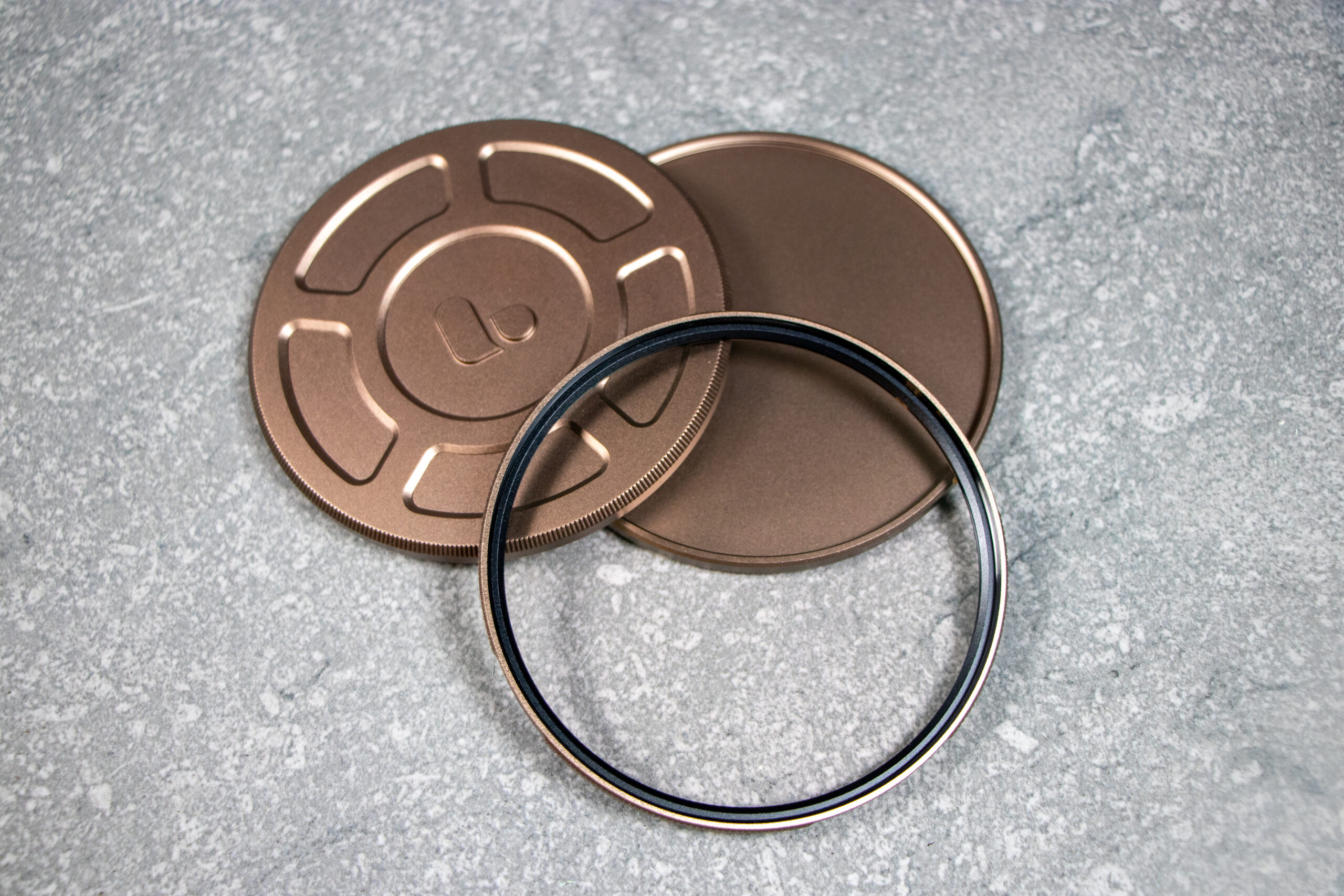
Part 1: Gold Mist Filters – Adding Warmth and a Cinematic Glow
Gold Mist filters are all about creating warmth, softness and a little bit of magic in your footage.
One of the things I love about wedding films is capturing those beautiful, natural moments: the bride getting ready, sunlight streaming through a window, golden-hour portraits and those little interactions between couples that often become some of the most memorable shots of the day.
A Gold Mist filter can help enhance these moments by introducing a subtle warm glow to the image.
What does a Gold Mist filter actually do?
Unlike a standard diffusion filter, which primarily softens highlights and reduces contrast, a Gold Mist filter also introduces a warmer quality to the light.
Depending on the strength of the filter and the lighting conditions, you'll notice:
-
A warmer, more golden quality to highlights.
-
A subtle glow around bright light sources.
-
Softer-looking highlights and a more atmospheric image.
-
A gentle, romantic quality that can work beautifully for wedding footage.
The idea isn't to make everything look orange or overly warm. It's about adding just enough character to give the image a more romantic, film-inspired feel.
When do I use Gold Mist?
For me, Gold Mist really comes into its own when filming in softer natural light.
Think bridal preparations, outdoor portraits, sunset shots and those beautiful moments when the light catches the couple just right.
It can be particularly lovely during golden hour, when the natural warmth of the sun complements the effect of the filter.
I also like the idea of using it for detail shots, such as flowers, wedding dresses, candles and reception decor, where a little extra warmth can help create a beautiful atmosphere.
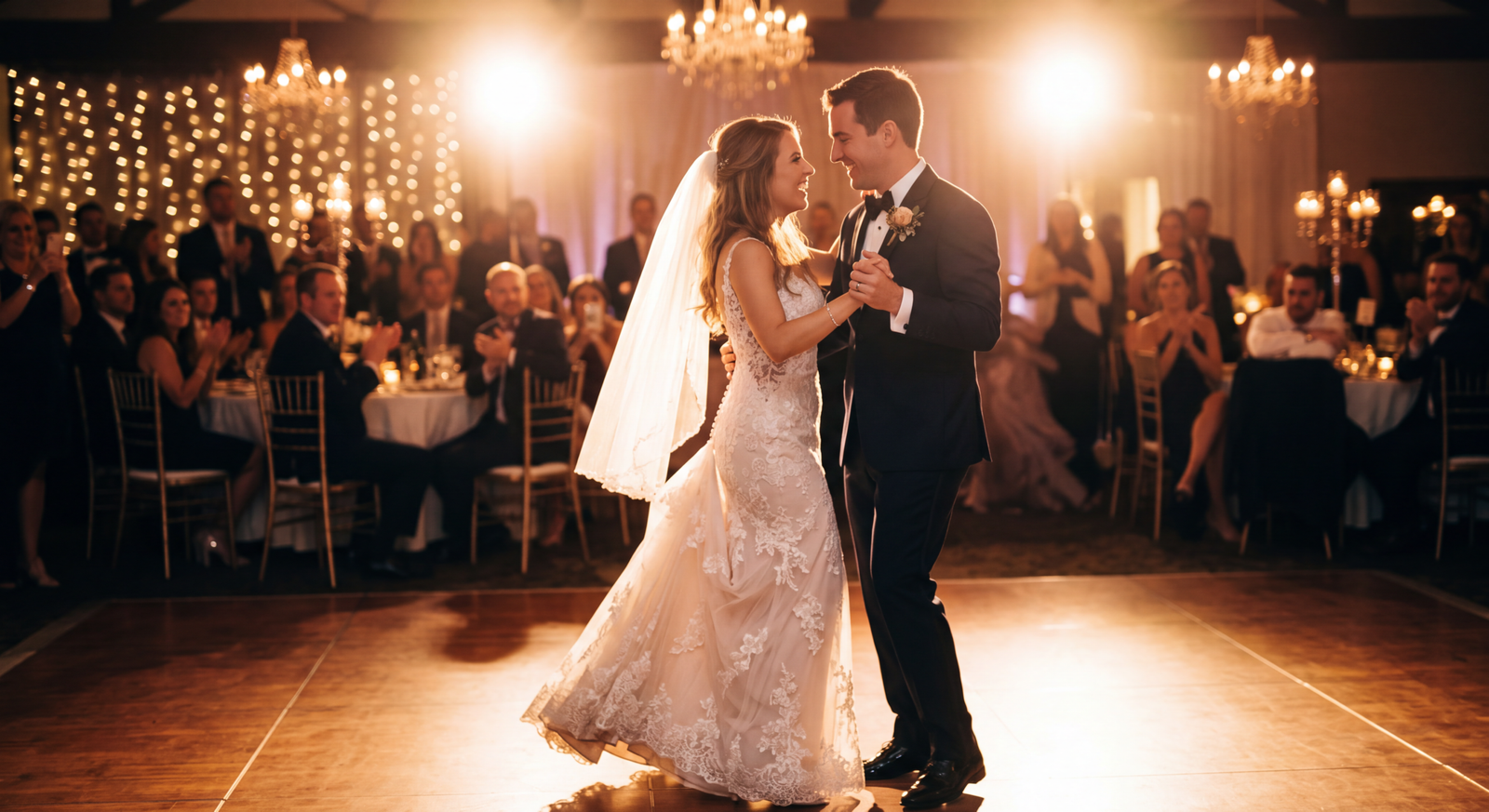
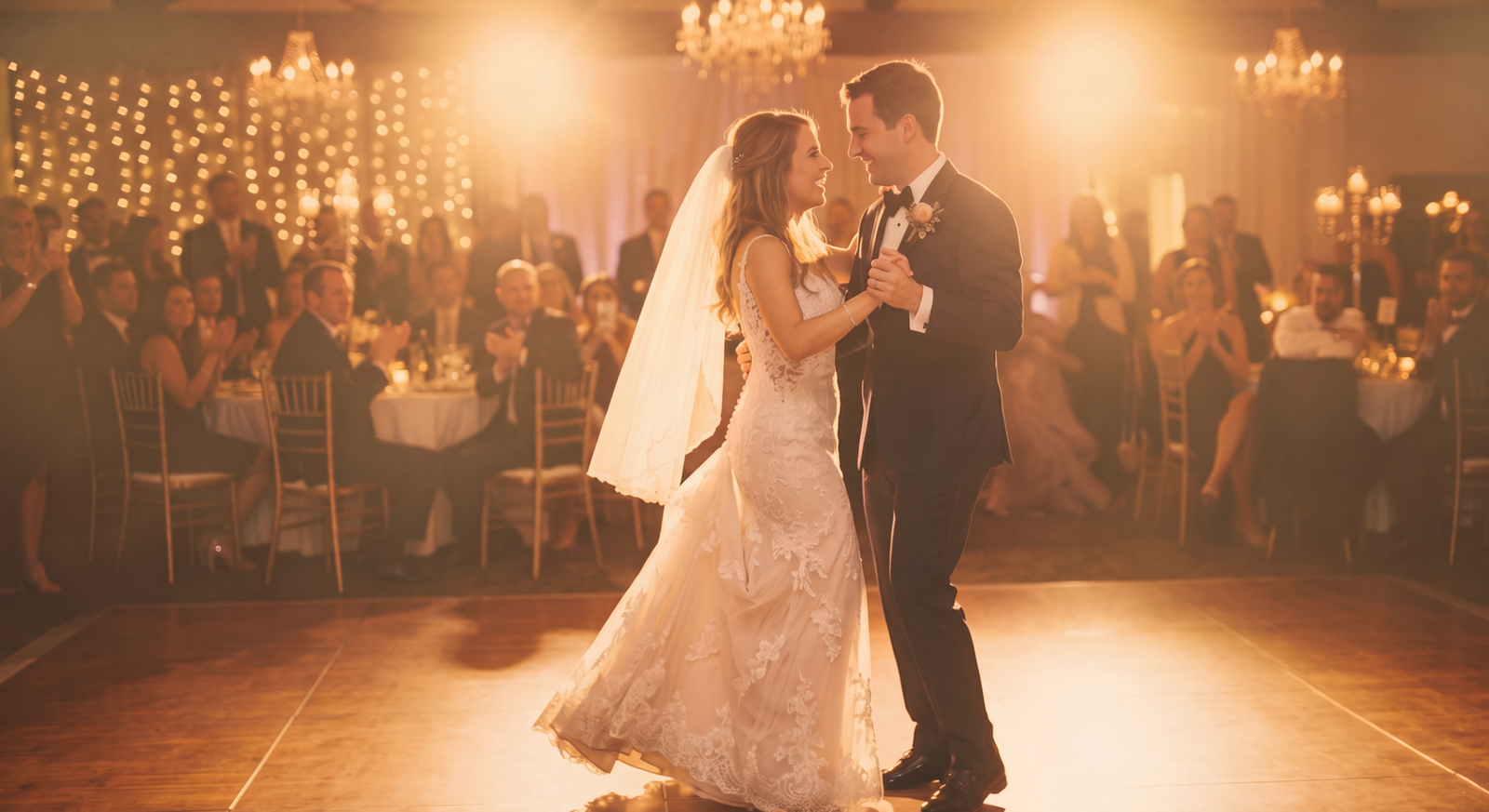
Look at the highlights, the warmth of the image and the overall atmosphere. The aim is to show how a relatively subtle addition can change the character of a shot without completely transforming the original scene.
Part 2: Black Mist Filters – Creating That Soft, Cinematic Look
If Gold Mist is about adding warmth, Black Mist is more about adding atmosphere and taking away some of that digital sharpness.
Modern cameras and lenses are incredibly good at producing sharp, detailed images. That's fantastic, but sometimes that clinical sharpness isn't quite the look I'm after when creating a wedding film.
This is where Black Mist filters come in.
What does a Black Mist filter actually do?
Black Mist filters are designed to diffuse light, particularly around brighter areas of the image.
They create a subtle halation effect, where highlights appear to bloom or glow slightly into the surrounding image.
They can also soften the overall appearance of an image, helping to reduce that sometimes overly crisp digital look.
Some of the characteristics you'll notice include:
-
A gentle glow around highlights and light sources.
-
Softer-looking skin and a more flattering image.
-
Reduced contrast in certain areas of the image.
-
A more atmospheric, film-inspired appearance.
One thing worth mentioning is that Black Mist doesn't simply blur your footage. A good diffusion filter retains plenty of detail while gently changing how light behaves within the image.
When do I use Black Mist?
This is where things get really interesting for wedding videography.
I love the idea of using Black Mist for indoor wedding ceremonies, speeches, evening receptions and scenes where there are lots of practical light sources.
Think fairy lights, candles, chandeliers and tungsten lighting. These are the kinds of situations where the glow from a Black Mist filter can add something special.
It can also work beautifully for close-up shots of the couple, particularly when you're looking for a softer, more romantic image.
However, it's worth remembering that diffusion is very much a creative choice. If you're filming in harsh sunlight or scenes with lots of bright highlights, the effect can become quite pronounced. Sometimes less really is more.
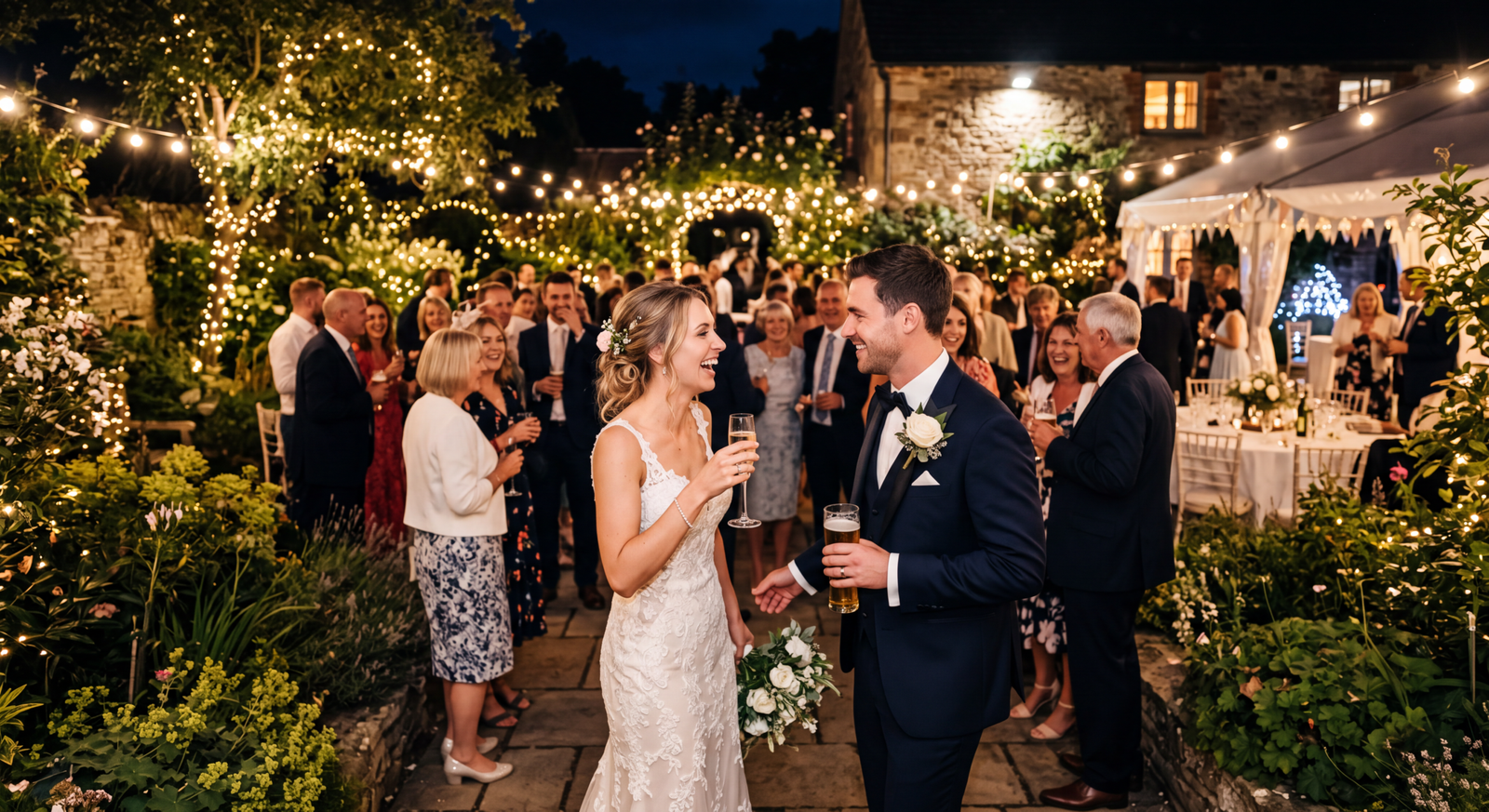
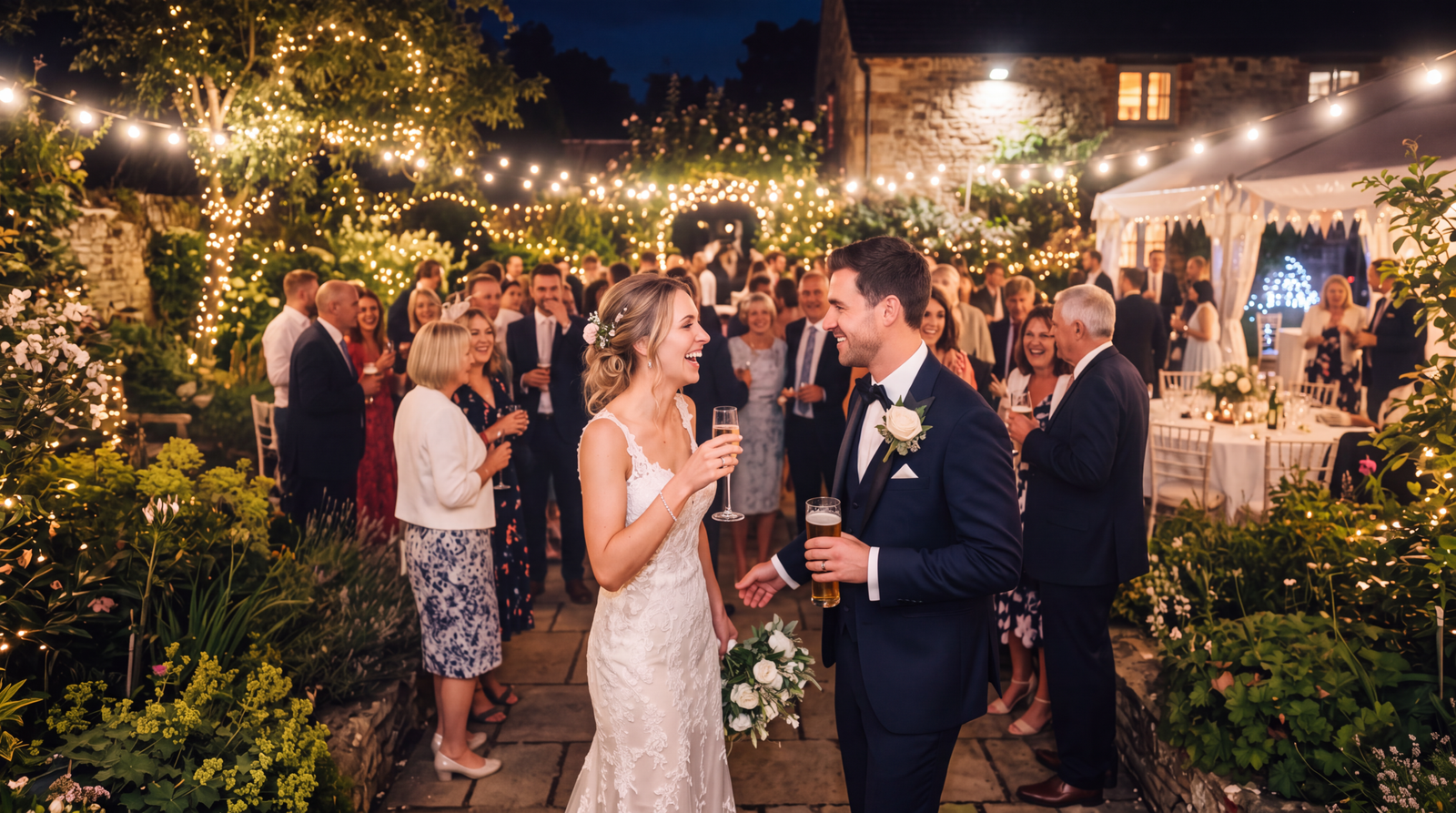
Pay particular attention to the light sources in the background, the highlights and the overall softness of the image. These are often the areas where the difference becomes most noticeable.
So, Which Filter Do I Prefer?
Honestly, I don't think one is necessarily better than the other. They simply create different looks, and that's what makes them interesting.
Gold Mist is my choice when I'm looking to introduce warmth, a romantic glow and a softer, more golden atmosphere.
Black Mist is the one I'd reach for when I want to soften the image, create a little highlight bloom and introduce a more cinematic, film-inspired feel
Ultimately, filters are another creative tool. They won't magically turn an average shot into a beautiful one, but they can help add that finishing touch to an image and bring a particular style to life.
For me, wedding filmmaking is all about capturing genuine moments while creating something that feels timeless. Having the right filters in my kit gives me another way to achieve that.
Sometimes it's the smallest details that make the biggest difference.
A note about the comparison images
The images used in this blog have been digitally generated to simulate the effects of each filter. This allows for a consistent, like-for-like comparison that simply isn't possible when filming a real wedding, where lighting and conditions are constantly changing. They are intended to illustrate the differences between filters, rather than represent actual wedding footage.
0 Comments